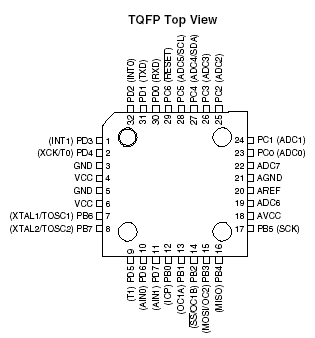
Atmega8 Datasheet Na Russkom
суббота 22 декабря admin 6
My Arduino Uno has a ATMEGA328P-PU microcontroller, and bunch of other stuff on the board. I'd like to program the chip without the Arduino software, and only the minimum of other components.
Determine deliverables, make milestones, and always pursue the critical path.” – Ryan Lilly These free ebooks include:- 1. “If you fail to plan, you plan to fail” – Vijay Dhameliya “Success in life is about project management. 
Jan 11, 2013 - All you need apart from the programmer and the chip is a couple of decoupling caps, and some way of connecting the programming signals to.
I want to eventually create things without the cost of Arduino, and I want to learn about the other parts on the board and add them back as as needed. I'm comfortable with C and gcc, so I can probably figure out the software part. But what, if anything, besides these two products below, do I need to have in the breadboard with the microcontroller?
$ begingroup $ @capcom First google result for 'site:atmel.com atmega typical application' finds. Not only does this application note have a minimal circuit to get the MCU to work, it goes in to great detail on how to connect a programming port, select oscillators, deal with ESD hazards, potential glitches on the reset line, connecting JTAG, PCB layout, and basically everything a beginner needs. Finding this information is the most useful skill a beginner can have.
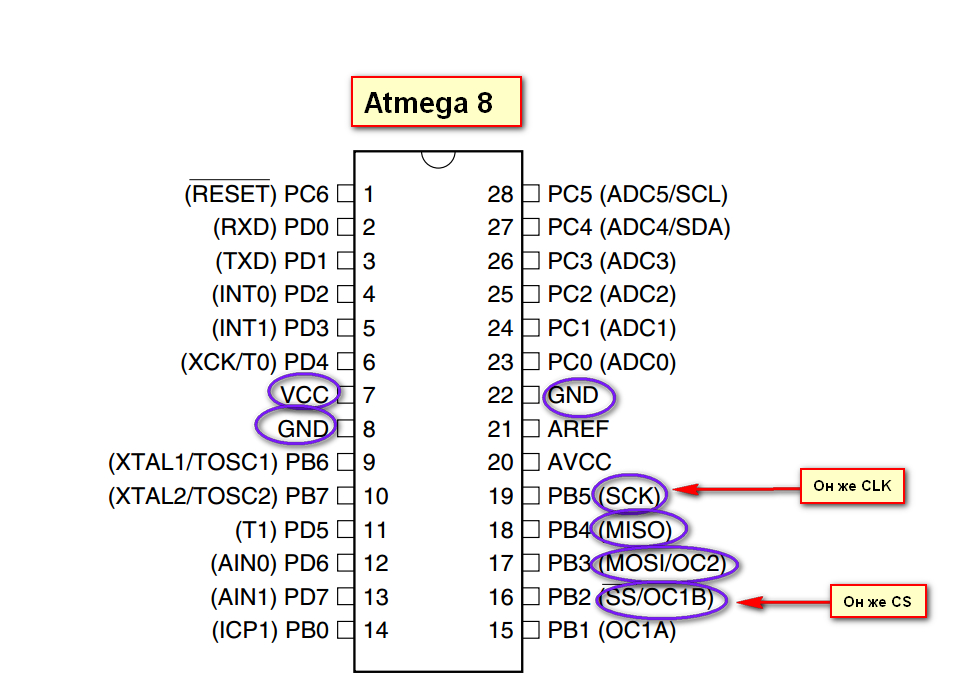
$ endgroup $ – Jan 15 '13 at 3:38 •. $ begingroup $ OK, I'll rehprase. Rob, you should know that any manufacturer of a non-trivial device will publish documentation to answer exactly this question.
The manufacturers have a clear interest in making it easy for you to use their product. Skimming the datasheet is the way to start. For complex things like microcontrollers, there might be a separate application note. 'typical application' are the magic words you need to use in your search terms. It's not that it's bad to ask for help, but it's good to know how to fish.
$ endgroup $ – Jan 15 '13 at 16:28. All you need apart from the programmer and the chip is a couple of decoupling caps, and some way of connecting the programming signals to the breadboard. So: • 1 largish electrolytic cap (e.g. >100uF) You can maybe do without this if your source is nice and quiet (e.g. Battery) • 1 100nF ceramic across the power pins of the micro • 1 10kΩ resistor to connect from the reset pin to Vcc to hold the micro out of reset. • Some jumper wire to connect up nodes on your breadboard (you can buy ready made jumper wires, but I use a 22AWG roll and cut my own - much cheaper if you do this a lot) • A header to plug your programmer cable into. According to the it looks like you need a 2x3 pin 2.54mm pitch header.
Summary: • You must distinguish between 'guaranteed operating conditions' and 'absolute maximum ratings'. Also between current from an eg a logic high output pin at a usefully high voltage and short circuit current from a pin. • At 80 mA you are exposing the IC to conditions that exceeds the manufacturer's guarantees for product survival and the manufacturer explicitly advises that such practices may cause permanent damage to the IC.